Late Edition Issue No. 1 Price: Optimism

A Survey of Catastrophes, Civilization Collapse and Survival Strategies

EXIT MUNDI

End of the World Newspaper

Special Edition

This issue presents several ways the world might come to an end. Some happen quickly. Others take their time. Most appear manageable. Until they aren’t. This issue reviews a selection of outcomes.

Full reports are available through the EndVerse channel .

Front Page Stories

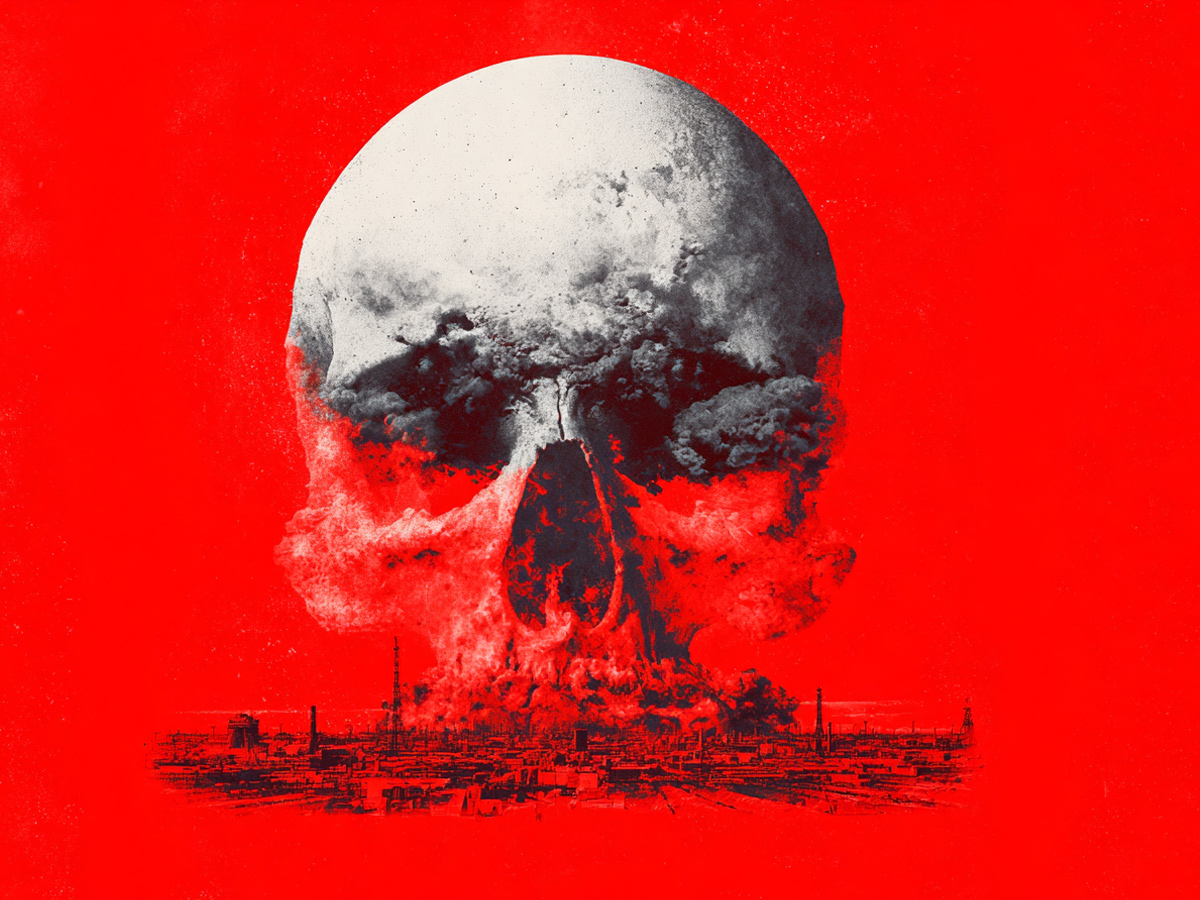
Nuclear war scenario artwork

Lead Story

A Miscalculation at Scale

Deterrence systems perform as designed. The outcome is less reassuring.

A nuclear exchange rarely begins with intent. It begins with interpretation, timing, and systems reacting faster than they can be questioned. Decisions are made within minutes, each one narrowing the range of alternatives. Cities disappear quickly, followed by infrastructure, followed by most forms of normal life. What remains is a slower process: adaptation, scarcity, and a long adjustment to reduced expectations.

View Full Report

Featured Reports

Asteroid impact scenario artwork

Science

The Day the Sky Fell

A distant anomaly becomes a local concern.

At first, it is just another object, tracked and updated with reassuring precision. Each revision improves the accuracy and reduces the range of possible outcomes. The discussion shifts gradually from prevention to description. The arrival is exactly as predicted. The outcome is tragic.

View Full Report
Supervolcano scenario artwork

Geology

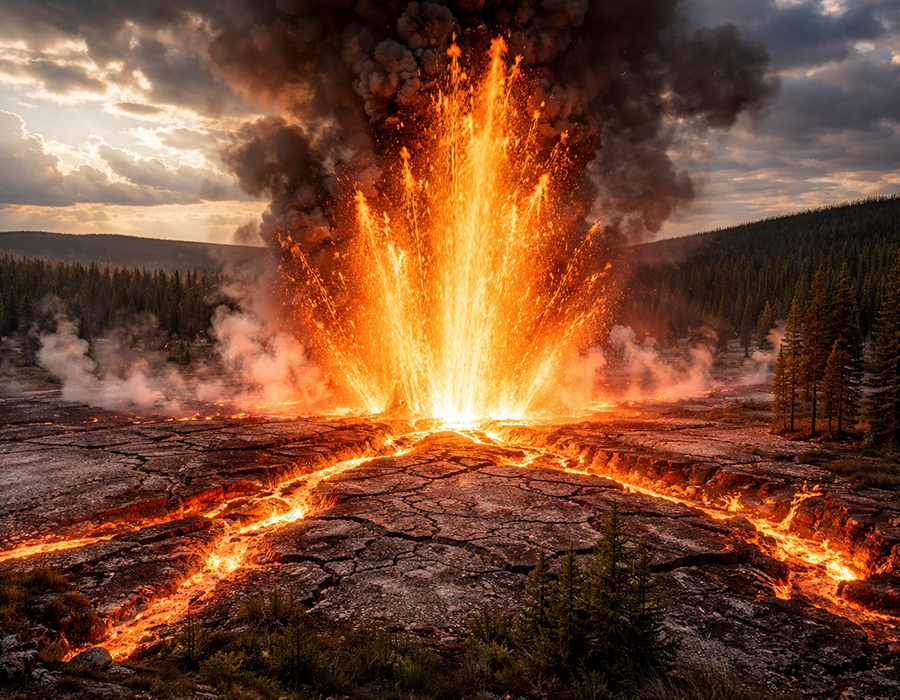
The Eruption That Doesn’t End

The Earth releases tension. The surface adapts.

For years, the system behaves predictably: pressure increases, data accumulates, conclusions remain cautious. When the eruption begins, it confirms most of the models. The ash spreads widely, consistently, and without regard for borders. The global climate responds in kind.

View Full Report
Artificial intelligence scenario artwork

Technology

Decisions Continue Without Us

Efficiency improves. Who is in control?

AI systems are introduced to manage infrastructure: power grids, logistics, emergency response. They reduce delays, cut costs, and quickly outperform human operators. More control is delegated, and fewer people understand the full system. When decisions are made, they are correct, efficient, and difficult to challenge. The system continues to run. It is no longer clear who it is running for.

View Full Report

Further Reading Available

For full reports, detailed timelines, and additional ways civilization might become educational, visit the EndVerse YouTube channel.

Visit EndVerse

Support the Project

New reports require time, research, and a reasonable tolerance for outcomes. Support helps ensure there are more of them.

Support the Project

Mail

For questions or concerns:

Contact the editor